
- Home
- About
- Map
- Trips
- Bringing Boat West
- Migration West
- Solo Motorcycle Ride
- Final Family XC Trip
- Colorado Rockies
- Graduates' XC Trip
- Yosemite & Nevada
- Colorado & Utah
- Best of Utah
- Southern Loop
- Pacific Northwest
- Northern Loop
- Los Angeles to NYC
- East Coast Trips
- Martha's Vineyard
- 1 Week in Quebec
- Southeast Coast
- NH Backpacking
- Martha's Vineyard
- Canadian Maritimes
- Ocracoke Island
- Edisto Island
- First Landing '02
- Hunting Island '02
- Stowe in Winter
- Hunting Island '01
- Lake Placid
- Chesapeake
- Provincetown
- Hunting Island '00
- Acadia in Winter
- Boston Suburbs
- Niagara Falls
- First Landing '99
- Cape Hatteras
- West Coast Trips
- Carmel
- Burning Man
- Utah Off-Roading
- Maui
- Mojave 4WD Course
- Colorado River Rafting
- Bishop & Death Valley
- Kauai
- Yosemite Fall
- Utah Off-Road
- Lost Coast
- Yosemite Valley
- Arizona and New Mexico
- Pescadero & Capitola
- Bishop & Death Valley
- San Diego, Anza Borrego, Joshua Tree
- Carmel
- Death Valley in Fall
- Yosemite in the Fall
- Pacific Northwest
- Utah Off-Roading
- Southern CA Deserts
- Yosemite & Covid
- Lake Powell Covid
- Eastern Sierra & Covid
- Bishop & Death Valley
- Central & SE Oregon
- Mojave Road
- Eastern Sierra
- Trinity Alps
- Tuolumne Meadows
- Lake Powell Boating
- Eastern Sierra
- Yosemite Winter
- Hawaii
- 4WD Eastern Sierra
- 4WD Death Valley +
- Southern CA Deserts
- Christmas in Tahoe
- Yosemite & Pinnacles
- Totality
- Yosemite & Sierra
- Yosemite Christmas
- Yosemite, San Diego
- Yosemite & North CA
- Seattle to Sierra
- Southwest Deserts
- Yosemite & Sierra
- Pacific Northwest
- Yosemite & South CA
- Pacific Northwest
- Northern California
- Southern Alaska
- Vancouver Island
- International Trips
- Index
- Tips
- Books
- Photos/Videos
- Search
- Contact
Winter Camping
Revised on Wednesday, January 16, 2013 by Herb
Lazy Daze Winter Insulation Tips
Living the northern NJ, and with a camping schedule that is tied to the kids school schedule, lead to the desire to use the motorhome during the kid breaks during the winter months.
Since we all like to ski/snowboard, and the kids have learned to like cross-country skiing I tried to figure out how to best weatherproof the coach so that it could be used in full winter conditions.
We have winter camped 3 weeks from Acadia National Park in Maine, to the ski resorts of New Hampshire, Vermont, and New York State. Temperatures have dropped to the low single digits, and we have been safe and warm inside our Lazy Daze. However, some considerable modifications were done to insure a snug coach.
Overhead Vents and Overcab Windows Insulation
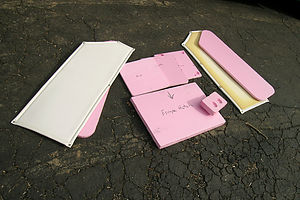 RV overhead vent & window insulationStarting from the top of the coach - at all overhead vents, I made insulative insert panels from the pink Styrofoam stuff that is sold at Home Depot for this purpose. (Any foam insulative panels should work fine, and maybe next time I'd use the silvered stuff for better appearance and performance as well)
The front, overcab emergency exit got a full 2" thick panel, while the rest of the vents could just fit a 1" thick panels. This stuff is pretty easy to cut with a razor blade or utility knife. The edges can be touched up, and depressions made for handles by using a soldering pencil to melt the foam. Over the foam went the Lazy Daze insulative Naugahyde and foam panels that were secured by snap pins and Velcro.
The same foam was used for the overcab windows at either end of the kids bed, and covered with the Lazy Daze Panels. The overhead bed was always kept in the down position.
Between the Cab and Living space we always hung a very heavy wool blanket. There was often a 40 degree differential in temperature between these spaces.
Bath and Shower Insulation
The shower skylight was insulated with a piece of clear Plexiglas that set into the frame under the skylight. It was secured with double faced tape around the perimeter and kept a nice layer of insulative air between the Plexiglas's and exterior skylight plastic. This has worked so well that I keep it attached permanently, and it keeps the coach bath appreciably cooler in the desert summers.
Originally I also had a 2" foam insulation below the Plexiglas, but the bath became too dark. Anyway, the bath needs to be vented anyway when taking a shower; otherwise the coach will fill up with steam.
The bath window was insulated with a similar Plexiglas window cover that had ¼" foam weather stripping on the perimeter, which was held in place against the window using the same glass clips that are used to mount the bathroom mirror. Tighten them just enough to make as seal, as they will need to be removed when you want to access the toilet through the window (to rinse the holding tank).
Coach Windows and Side Door Window Insulation
The remaining windows; kitchen, dinette, side coach door, and the 3 rear picture windows were all insulated using double faced tape, and good quality stretch film window insulation.
This was a bit of a challenge to install, as you need to find a good surface for the double faced tape to adhere to - and then attach a correctly sized piece of clear plastic. One that's done, you use a hair dryer to shrink the plastic to drum tightness, and trim away the excess.
It was a bit of a job, but well worth the effort if minimizing heat loss from the windows was the criteria. In addition, while everyone else camping with un-insulated windows was looking through steam coated glass, we had windows that were as clear as the summertime.
I keep the window insulation on the window over the sink, and coach side door on year round, as it helps keep the coach cooler in the summer. The rear picture window also lasted for 1 year before someone stuck their finger through it.
Exterior Storage Door Panel Insulation
The same 1" foam insulation was used to make panels that were attached to the outside storage compartment doors that access the storage areas under the rear couches, and under the dinette seat. These were secured with double faced tape, and remain in position year-round.
In addition, we have an outside shower - and this too got a 2" thick insulative foam insert.
Water and Holding Tanks
I removed the access panel under the sink (for the water pump and tank), and made a quick release attachment out of Velcro. This way, we can easily check on the "actual" fresh water capacity (very important when you need to camp for a week on one fill) - and also to let the coach heater keep the water tank warm on those very cold nights.
The holding tanks got extra RV antifreeze added at the start of the trip, and we tried to limit water use by using campground showers and toilets wherever practical. However, we dry camped in Acadia in January (had the whole Blackwoods campground to ourselves) and everyone was treated to a shower after a day of cross-country skiing along the cliffs.
I expect that the tanks probably at least partially froze, but no damage was done that I could tell. This is probably an area where you are tempting fate, but unless you have heated the tanks, you probably won't be able to dump them until it's above freezing anyway.
What we did in NJ, was wait for a few days above freezing, add some hot water to the tanks, and them dump them.
Pelonis 1500 watt Ceramic DiscFurnace
The propane tank will probably have more than enough capacity to heat a nicely insulated coach for a week or more. However, I would still recommend the purchase of a small portable 120v ceramic heater like our 1500 watt Pelonis.
If you have a winter AC hookup, then it's nice to be able to use the portable heater to add that little extra coziness where it's needed most. In addition, the heater can be positioned to help dry the kids ski clothes, boots, mittens, etc, so they can get back on the slopes in the morning. Bath towels dry nicely too.
- ‹ previous
- 11 of 11
hey some great ideas. i did have similar things installed in my 12 mo a year use of my 24' sunflyer Aclass itasca. Some things i have found helpful are using tenplast panels (the thin plastic plywood used for making signs_ to cover windows and vents to block out light and add insulation. Friction fits, can be cut easily, held in place by those plastic mirror clips that swivel if riveted, doesn't wear unless you dent them. keep the larger panels under the mattress when not in use.
i use the silver bubble wrap insulation for watertanks etc. under exterior windshield covers. Also i use the watersystem no probs in the cold. i make sure all waterlines have air access and keep them an inch away from exterior surfaces to allow air circ. i use a removable marine swim grid ladder to access the roof to store my stuff in a windsurfer soft travelbag that fits windsurf boards and other gear (tobaggans in the winter). spray foam under coating is expensive but worth it i think and will get the front chassis done as it drains most of the heat in the rig. a heavy curtain in the front helps to contain the heat too. Tons of heat is lost in areas that were cleared for wiring to be passed through during the assembly. i plan to open all clearance and other lights on the exterior and spray foam them. Wheelwells are another huge heatloss area cuz there is just metal there and laying foam over the curved surface also cuts down on the noise from driving.
i have airbags in my unit and find they really make a ride very stiff and running the tires at over 50lbs shakes the crap out of everthing if the road is rough. the automatic inflation adjustment gizmos out there are worth it, i plan to purchase some so i can go down to 35-40 lbs at the press of a button on rough terrain. you didn't mention chucking your stock tranny cooler and buy the biggest aftermarket one you can get, big ticket!! ever blow a tranny in a loaded RV with the whole family onboard?
i line all my cabinets and a good section of the table with scoot guard to keep down rattles and careening dishes etc. sometimes i have forgotten an open drink on the table and it stays there with the laptop until i am shocked
when arriving at my destination. worth it with the alzheimers setting in.
all the best during this season. markus
Hi Markus,
Thanks for sharing your own winter camping and motorhome modifications. I think you've got a some great ideas that I need to try out. I really like the foam idea and panel storage under the mattress. Also, I'm not using bubble wrap yet, so I need to check that out to insulate areas that are irregularly shaped, and not suitable for foam.
Have a great Holiday Season, and a Healthy and Happy New Year,
Safe Travels, Herb
I have purchased a motor home and in process of ten year of traveling while my health last. Your site was a google choice that I was glad I found. Great information and a wealth of quality advise that will be well read. Thanks for sharing you expeditions with us and others... A BIG THANKS......
PS. Ever traveling thru SE... SC... to be more specific please email for info... Glad to locally orient you...
You're very welcome! We almost had as much fun making the site, as taking the trips. Have fun in your travels, and we will be sure to contact you before our next trip down south! We love Hunting Island and would be interested to learn if there is anyplace else like it.
Safe travels - Herb